What We Learned About Gut Health and Thyroid Function
On January 8th, 2025, we met with nutrition coach Dionna Black for a conversation about nutrition that many tend to overlook when starting their wellness journey. Members of our community submitted questions ahead of time, shaping a discussion with takeaways that can benefit everyone.
Based on those questions, Dionna covered three key topics: how to recognize and support gut health, hypothyroidism, and the nutrients your thyroid needs to function well.
Here’s what we learned.
Your Gut Is Talking. Are You Listening?
Your gut can sometimes speak through symptoms like bloating, gas, constipation, diarrhea, heartburn, food sensitivities, fatigue, brain fog, skin issues, anxiety, mood swings, sugar cravings, frequent illness, and bad breath. If several of these sound familiar, you’re not alone.
Instead of restrictive diets or expensive supplements, Dionna shared simple, realistic strategies:
Bloating or gas? Eat slowly and reduce processed foods.
Constipation? Hydrate, add fiber, and walk daily.
Diarrhea? Simplify foods and add soluble fiber.
Heartburn? Eat smaller meals and stay upright after eating.
Food sensitivities? Focus on whole foods and reduce triggers.
Fatigue? Eat enough protein and balance blood sugar.
Brain fog? Reduce sugar and support gut health.
Skin issues? Hydrate and eat more vegetables.
Anxiety or mood swings? Build balanced meals and support stress.
Sugar cravings? Include protein and fiber at every meal.
Frequent illness? Prioritize sleep and nourish your gut.
Bad breath? Stay hydrated and support digestion.
Simple, actionable, and realistic, exactly what Here For The Miles stands behind.
When Your Thyroid Is Running on Empty
Hypothyroidism occurs when the thyroid doesn’t produce enough hormones to keep the body running smoothly. Because the thyroid influences energy, metabolism, and focus, symptoms can feel all encompassing.
Common signs include persistent fatigue, brain fog, low motivation, weight gain, feeling cold or puffy, hair shedding, dry skin, constipation, and bloating.
Many people write this off as stress or aging, but Dionna explained that lifestyle factors often play a role. Chronic stress can interfere with thyroid signaling, skipped meals can worsen fatigue through unstable blood sugar, poor sleep compounds hormone imbalance, and hormonal shifts like postpartum or perimenopause add additional strain.
The good news is that small, consistent changes can make a meaningful difference.
What Your Thyroid Needs
Dionna outlined key nutrients that support thyroid function and where to find them in real food:
Iodine helps build thyroid hormones T4 and T3. Found in iodized salt, eggs, dairy, and seaweed. More is not better, as excess iodine can worsen thyroid issues.
Selenium supports the conversion of T4 into active T3 and provides antioxidant protection. Found in Brazil nuts (1–2 per day), tuna, sardines, and eggs.
Zinc supports TSH production and hormone conversion. Found in oysters, beef, chicken, and pumpkin seeds.
Iron is required for thyroid hormone synthesis. Low ferritin can impair thyroid function even when TSH appears normal. Found in red meat, liver, lentils, and spinach.
Tyrosine is an amino acid that serves as a building block for thyroid hormones and works alongside iodine. Found in poultry, eggs, dairy, and almonds.
Vitamin D supports immune balance and thyroid receptor sensitivity. Found in sunlight, fatty fish, and egg yolks.
B vitamins, especially B12 and B6, support energy production and nerve health. Found in meat, fish, eggs, and fortified foods.
Magnesium supports cellular energy and hormone signaling and can help with fatigue, cramps, and sleep. Found in leafy greens, nuts, seeds, and dark chocolate.
Omega 3 fatty acids reduce inflammation and support hormone signaling, particularly helpful for autoimmune thyroid conditions. Found in salmon, sardines, chia seeds, and walnuts.
Optimal thyroid function is supported by adequate nutrient intake, healthy gut and liver function, and effective stress management. It’s not about eating perfectly, but about eating consistently and supporting how your body processes what you consume.
Why This Matters for Walkers
Walking meets you where you are, but movement is only part of the equation. If you’re running on fumes, skipping meals, or dealing with digestive issues, it becomes harder to feel the benefits of the miles you’re putting in.
Energy, recovery, and consistency start with proper nourishment. Walking supports overall health, but your gut, thyroid, and stress levels also deserve attention if you want to feel good while doing it.
This session was a reminder that progress matters more than perfection. Small changes add up. Simple meals work. And adjusting beats stopping altogether.
Want to Work With Dionna Black?
Dionna helps busy people make better nutrition choices without overwhelm. Her tagline says it all: “Busy life. Better choices. Best you.”
If you’re experiencing fatigue, brain fog, weight changes, or other nutrition related concerns and want personalized support, she’s offering complimentary consultations. You can find her on Instagram and Facebook at @dionnablackcoaching.
Thank you, Dionna, for breaking down complex topics into steps that truly fit real life.
This content is for educational purposes only and is not intended to diagnose or treat medical conditions.
When Your Thyroid Is Running on Empty
Next up: hypothyroidism, a condition where your thyroid isn't producing enough hormones to keep your body running smoothly. Your thyroid controls your energy, metabolism, and focus. When it's underactive, everything feels harder.
Sound familiar? Exhausted before the day even starts. Midday crashes at work. Brain fog in meetings. Feeling behind no matter how hard you try. No energy left for family or yourself. Short patience. Weight gain without explanation. Feeling cold, puffy, or inflamed. Hair shedding. Dry skin. Constipation or bloating.
A lot of us write this off as "just stress" or "getting older." But Dionna explained that it's your biology colliding with your lifestyle: chronic stress disrupts thyroid signaling, skipped meals worsen fatigue through unstable blood sugar, poor sleep compounds hormone imbalance, and hormonal shifts like postpartum or perimenopause add even more strain.
The good news? There are low-effort, high-impact solutions.
What Your Thyroid Needs
Dionna broke down the key nutrients your thyroid needs to function properly and where to find them in real food:
Iodine builds thyroid hormones (T4 and T3). Found in iodized salt, eggs, dairy, and seaweed. Important note: more isn't better. Excess iodine can worsen thyroid issues.
Selenium converts inactive T4 into active T3 and provides antioxidant protection. Found in Brazil nuts (just 1-2 per day), tuna, sardines, and eggs. One of the most critical thyroid nutrients.
Zinc supports TSH production and hormone conversion. Found in oysters, beef, chicken, and pumpkin seeds. Low levels can show up as hair loss and low immunity.
Iron is required for thyroid hormone synthesis. Found in red meat, liver, lentils, and spinach. Low ferritin (stored iron) can impair thyroid function even if your TSH looks "normal."
Tyrosine is an amino acid that serves as the backbone of thyroid hormones. Found in poultry, eggs, dairy, and almonds. Works together with iodine.
Vitamin D supports immune balance and thyroid receptor sensitivity. Found in sunlight, fatty fish, and egg yolks. Deficiency is extremely common.
B Vitamins (B12 & B6) are essential for energy production and nerve health. Found in meat, fish, eggs, and fortified foods. Watch for fatigue and brain fog if you're low.
Magnesium supports cellular energy and hormone signaling. Found in leafy greens, nuts, seeds, and dark chocolate. Helps with fatigue, cramps, and sleep.
Omega-3 Fatty Acids reduce inflammation and support hormone signaling. Found in salmon, sardines, chia seeds, and walnuts. Especially helpful for autoimmune thyroid conditions.
Optimal thyroid function requires three things working together: sufficient nutrient intake, gut and liver health, and stress management. It's not just about eating "clean." It's about eating smart, consistently, and supporting your body's ability to process what you're giving it.
Why This Matters for Walkers
We talk a lot about walking as a form of movement that meets you where you are. But movement is only part of the equation. If you're dragging yourself through walks because you're running on fumes, skipping meals, or dealing with digestive issues, you're not going to feel the full benefit of the miles you're putting in, and your desire to keep going will likely fade.
Energy, recovery, and consistency all start with how we're fueling ourselves. Walking supports your overall health, but your gut, your thyroid, and your stress levels also need attention if you want to feel good while you're doing it.
This session reminded us: progress over perfection. Small changes over time. Simple meals beat perfection. And adjustments beat stopping altogether.
Want to Work with Dionna Black?
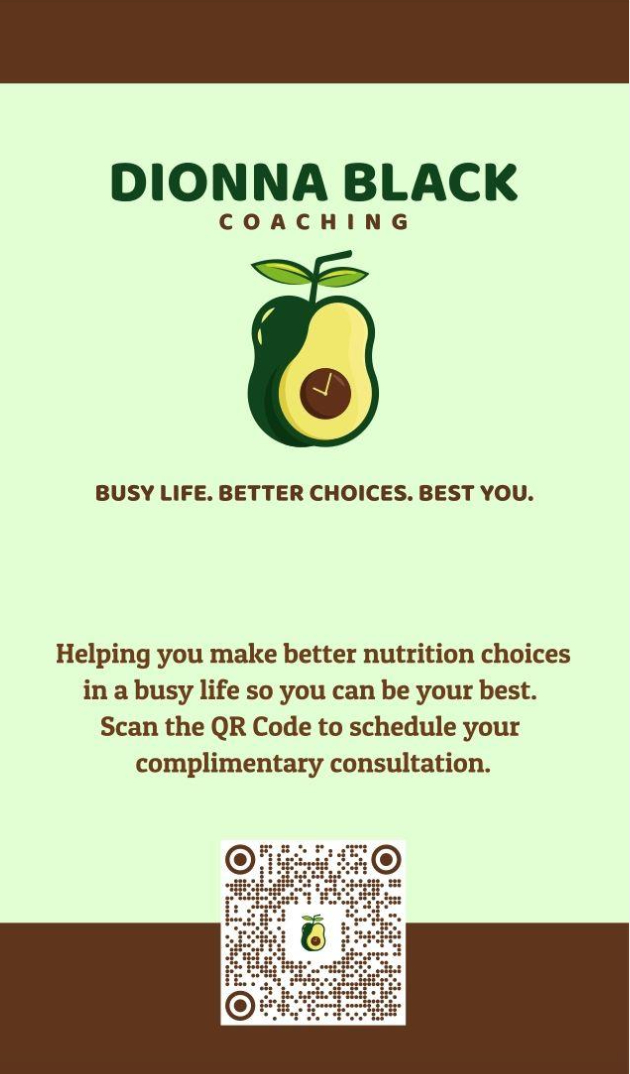
Dionna helps busy people make better nutrition choices without the overwhelm. Her tagline says it all: "Busy life. Better choices. Best you."
If you're dealing with fatigue, brain fog, weight gain, or other nutrition related concerns and want personalized support, she's offering complimentary consultations. You can find her on Instagram and Facebook at @dionnablackcoaching.
Thank you, Dionna, for breaking down complex topics into actionable steps that actually fit into real life!
